
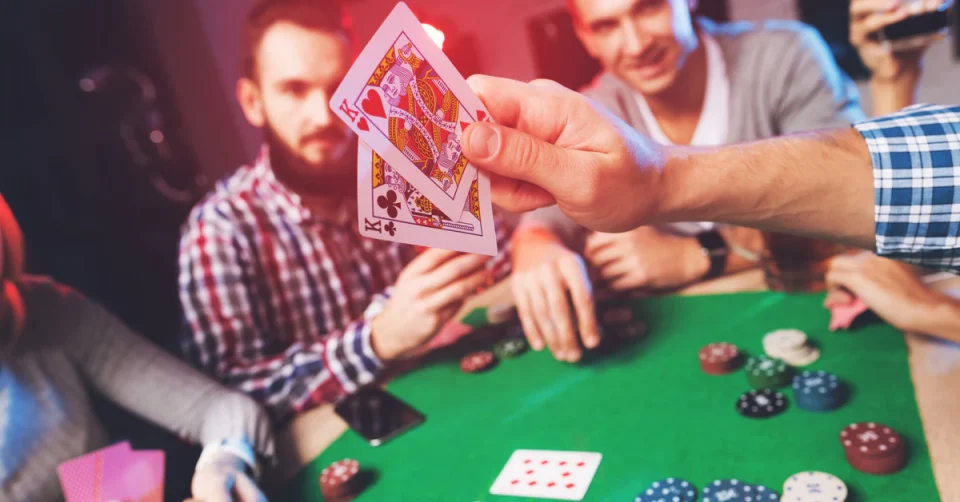
Poker is fundamentally a game of incomplete information. While mathematical probability, position, and stack sizes dictate the core framework of winning play, human psychology introduces an intricate layer of tactical warfare. Long before online poker revolutionized the game, live poker players relied heavily on observing their opponents to unearth hidden clues about their holding cards. These physical and behavioral cues are universally known as tells.
Reading tells and body language is often romanticized in popular media as an infallible superpower that allows a player to look across the table and instantly know if someone is bluffing. In reality, physical psychology at the poker table is far more nuanced. True mastery requires patience, deep baseline observation, and an understanding that human behavior under pressure often contradicts intuitive assumptions.
Establishing the Baseline Behavior
Before attempting to decode an opponent’s physical reaction to a specific card or bet, a player must first establish a baseline. Every individual possesses a unique physiological normal state when relaxed and comfortable at the poker table.
-
Observe Normal Conversation: Watch how an opponent behaves during casual small talk between hands. Notice their blinking rate, posture, hand positioning, and breathing patterns.
-
Identify Nervous Habits: Many players have habitual nervous tics, such as tapping fingers, shuffling chips constantly, or clearing their throat. These actions carry zero psychological weight regarding hand strength because they occur continuously.
-
Spotting Deviations: A tell is not a nervous habit itself; a tell is a sudden deviation from a player’s established baseline behavior. If a notoriously talkative player suddenly falls entirely silent upon looking at a flop, that abnormal stillness serves as a meaningful psychological signal.
Physical Tells and Involuntary Responses
The human body reacts automatically to adrenaline, fear, excitement, and stress. While professional players train extensively to control their physical presentation, certain involuntary reactions are exceptionally difficult to suppress entirely.
-
The Carotid Artery Pulse: When a player makes a massive bluff or hits a monster hand, adrenaline surges through their system, causing their heart rate to spike. This increased pulse can sometimes be visibly observed throbbing against the skin in the neck near the carotid artery.
-
Shallow Breathing and Chest Movement: High-stress situations often trigger shallow, rapid breathing or cause a player to hold their breath momentarily when staring down a massive river bet.
-
Swallowing Difficulties: Dry mouth is a classic physiological reaction to acute anxiety caused by the fight-or-flight response. Frequent swallowing or licking of the lips when facing a decision can indicate intense internal pressure.
Betting Mechanics and Chip Handling Tells
How a player physically interacts with their chips often provides clearer and more reliable information than facial expressions or posture. Motor skills are directly impacted by emotional state and concentration levels.
-
The Hesitant Versus Instant Bet: A bet executed with sudden, aggressive force or shoved forward with trembling fingers often signals an inexperienced player trying to project strength or hiding profound fear. Conversely, smooth, fluid, and nonchalant chip movements frequently indicate a strong, well-prepared hand.
-
Protecting Strong Hands: Players holding premium hands like pocket aces or a flopped set subconsciously protect their chips. They may cup their hands over their stack or draw chips closer to their body to guard against a perceived threat.
-
The Stare Down and Aversion: An opponent who immediately stares directly into your eyes after making a bet is often attempting a psychological intimidation tactic, which frequently signals a bluff. On the other hand, a player who actively avoids looking at you or refuses to make eye contact while holding chips may be trying to conceal a very strong hand.
Verbal Tells and Conversational Psychology
Speech play is a powerful weapon at the live poker table, and what a player says—as well as how they say it—can reveal valuable insight into their hand strength.
-
Forced Casualness: When a player attempts to speak in a relaxed, theatrical tone while facing a massive decision, their voice pitch or cadence often shifts unnaturally. Over-explaining a hand through lengthy monologues almost always points toward weakness.
-
Direct Answers: Asking a direct question to an opponent right after they act can prompt an involuntary verbal response or micro-expression that bypasses their conscious emotional filter.
-
Silence as Strength: Many seasoned professionals adopt absolute silence when holding the nuts, choosing to remain emotionally detached from the unfolding action while quietly waiting to extract maximum value.
Avoiding Common Psychological Traps
Misinterpreting body language can easily cost you chips. Relying on outdated myths or confirmation bias leads to costly analytical errors at the table.
-
Beware of Reverse Tells: Experienced players are well aware that opponents watch for body language, and they will deliberately project false physical tells to manipulate your decisions. If a player acts weak while casually tossing chips forward, they may be setting a deliberate trap.
-
Context Matters Most: A nervous tick means nothing in a vacuum. A player fidgeting with their chips might simply be cold, tired, or bored rather than holding a weak drawing hand. Always weigh physical tells against the mathematical context of the board and previous betting history.
Frequently Asked Questions
Can professional poker players completely eliminate all physical tells?
Even the most seasoned professionals cannot control every involuntary physiological response, such as pulse rate acceleration or pupil dilation under extreme stress. Instead, top players focus on maintaining a consistent, neutral physical presentation known as wearing a poker face, minimizing obvious behavioral shifts.
Are physical tells more reliable in amateur players or professionals?
Physical tells are significantly more reliable when playing against recreational or amateur opponents. Professionals have spent thousands of hours training their emotional regulation and physical composure, making their behavioral reads much harder to decipher.
What is a micro-expression in the context of poker?
A micro-expression is a brief, involuntary facial expression that lasts for a fraction of a second, reflecting a person’s true emotional state before they manage to consciously mask it with a neutral expression.
Does online poker allow for any form of reading tells?
While physical body language does not exist in online poker, players develop digital reads based on timing tells. Observing how long an opponent takes to check, call, or raise can reveal whether their decision was automatic or required intense calculation.
Why do some poker players wear sunglasses and hoodies indoors?
Wearing sunglasses and hoodies helps block peripheral vision, reduces sensory distractions, and conceals involuntary eye movements, such as pupil dilation or darting glances toward chip stacks, making it harder for opponents to read their physical reactions.
How can I practice improving my observation skills at the poker table?
You can practice by stepping back from active participation and observing hands silently as a spectator or focusing entirely on one specific opponent’s chip-handling habits and breathing patterns during a tournament or cash game session.
Is reading tells more important than understanding math in poker?
Mathematical fundamentals, position awareness, and pot odds always take precedence over reading tells. Tells should be viewed as a tie-breaking tool used in close marginal decisions rather than the primary foundation of a winning poker strategy.